
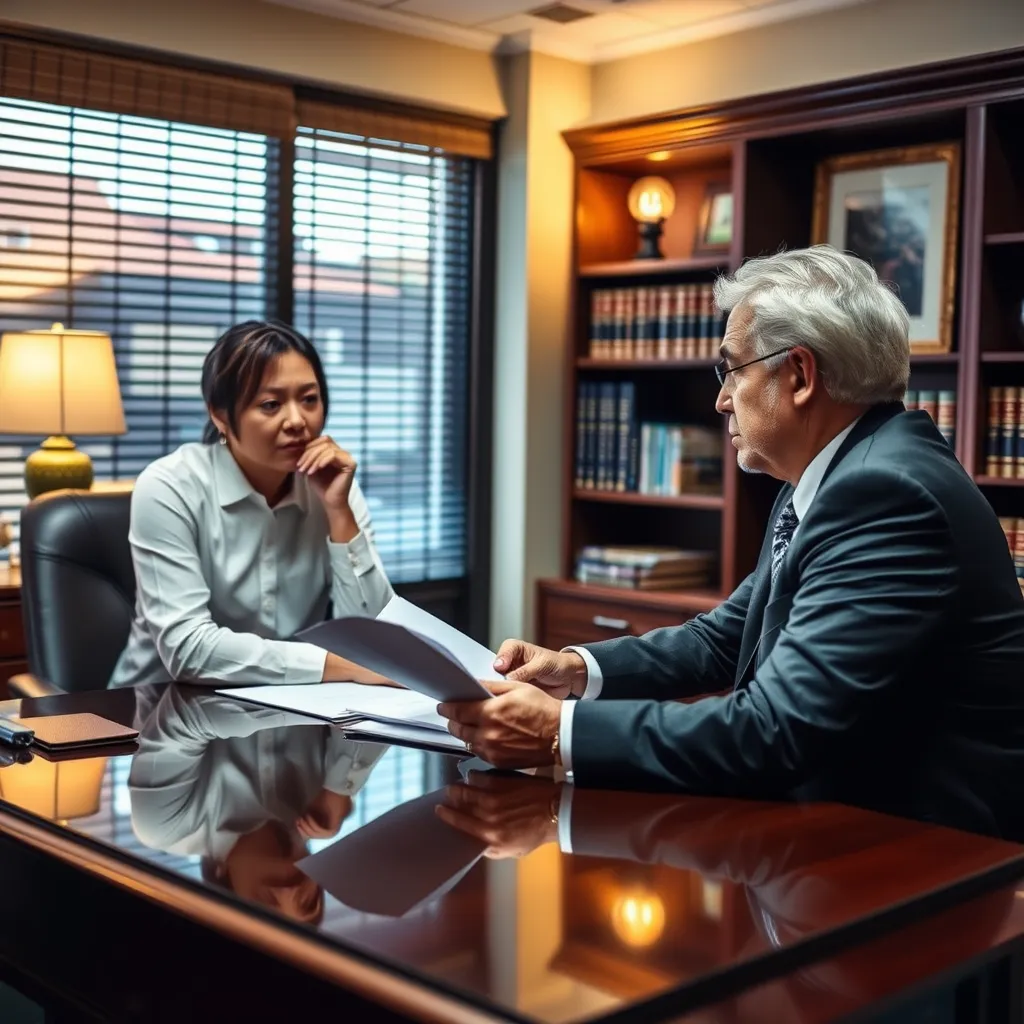
Note: This article is confirmed by Law Offices Of SRIS, P.C.
WRITTEN BY: Mr. Sris
Since 1997, Mr. Sris has led the firm, focusing on the most challenging criminal and family law cases. His background in accounting and information management aids in financial and technology-related cases. Involved in significant legislative changes in Virginia. My focus since founding the firm in 1997 has always been directed towards personally handling the most challenging and involved criminal and family law matters our clients face.
Piscataway Divorce Lawyer NJ
What is Divorce Law in Piscataway
Divorce law in Piscataway operates under New Jersey’s family law system, which provides the framework for legally ending marriages. The state recognizes both fault-based and no-fault grounds for divorce, with irreconcilable differences being the most common basis. This legal area covers multiple aspects including division of marital property, determination of alimony or spousal support, and establishment of child custody and support arrangements.
The legal process begins with filing a complaint for divorce in the appropriate New Jersey court. This document outlines the grounds for divorce and initial requests regarding property, support, and child arrangements. New Jersey follows equitable distribution principles for dividing marital assets, meaning property acquired during the marriage is divided fairly though not necessarily equally. The court considers various factors including the duration of marriage, each spouse’s economic circumstances, and contributions to the marital estate.
Child custody determinations focus on the best interests of the child, considering factors like parental fitness, child’s preferences (depending on age), and existing relationships. Support calculations follow New Jersey guidelines that consider both parents’ incomes, parenting time arrangements, and children’s needs. Temporary arrangements may be established during proceedings to address immediate concerns.
Legal representation helps ensure proper filing of documents, adherence to procedural requirements, and protection of rights throughout the process. Attorneys can negotiate settlements, represent clients in court hearings, and provide guidance on legal options. Understanding New Jersey’s specific requirements and timelines is essential for effective case management.
How to File for Divorce in Piscataway
The process of filing for divorce in Piscataway begins with determining the appropriate grounds under New Jersey law. Most cases proceed on no-fault grounds of irreconcilable differences, which requires a six-month separation period unless both parties agree to waive this requirement. Fault-based grounds include adultery, desertion, extreme cruelty, addiction, imprisonment, or institutionalization for mental illness.
Initial documentation includes preparing a Complaint for Divorce that specifies the grounds, requests for relief regarding property, support, and child matters. This must be filed with the Family Division of the Superior Court in Middlesex County, where Piscataway is located. Filing fees apply, though fee waivers may be available for qualifying individuals based on financial circumstances.
After filing, the complaint must be formally served on the other spouse according to New Jersey court rules. This can be done through personal service by a sheriff or process server, or by mail with acknowledgment of receipt. The served spouse then has 35 days to file an Answer responding to the complaint’s allegations and requests.
Both parties must complete Case Information Statements providing detailed financial information including income, assets, debts, and expenses. These disclosures are essential for determining support obligations and property division. Additional documents like tax returns, pay stubs, bank statements, and property deeds may be required.
Court procedures may involve preliminary conferences, settlement negotiations, and potentially trial if agreements cannot be reached. Many cases resolve through mediation or settlement conferences before trial. The court may issue temporary orders addressing immediate needs like support, custody, or use of marital property during proceedings.
Can I Handle Property Division in Divorce
Property division in Piscataway divorce cases operates under New Jersey’s equitable distribution system. This approach requires identifying all marital property—assets acquired during the marriage regardless of title—and dividing them fairly based on multiple statutory factors. Separate property, acquired before marriage or through inheritance or gift specifically to one spouse, generally remains with that individual.
The first step involves creating a comprehensive inventory of all assets and debts. This includes real estate, vehicles, bank accounts, retirement accounts, investments, business interests, personal property, and liabilities. Professional appraisals may be needed for certain assets like businesses, real estate, or collectibles to establish accurate values.
New Jersey courts consider numerous factors when determining fair distribution: duration of the marriage; age and health of each party; income and earning capacity; standard of living established during marriage; economic circumstances of each party; any written agreements between parties; contributions to acquisition of marital property; tax consequences; and value of property set apart to each spouse.
Retirement accounts present particular considerations, often requiring Qualified Domestic Relations Orders (QDROs) to divide pension plans, 401(k)s, or other retirement benefits without tax penalties. The division process must comply with plan-specific requirements and IRS regulations.
Marital homes often require special attention. Options include selling the property and dividing proceeds, one spouse buying out the other’s interest, or maintaining joint ownership for a specified period (often until children reach adulthood). Each approach has different financial and tax implications that should be carefully evaluated.
Debts incurred during marriage are also subject to division. This includes mortgages, credit card debt, loans, and other liabilities. The court considers who incurred the debt, for what purpose, and each party’s ability to pay when allocating responsibility.
Why Hire Legal Help for Divorce Matters
Obtaining legal assistance for divorce matters in Piscataway offers multiple benefits throughout the process. Attorneys familiar with New Jersey family law can provide guidance on legal options, procedural requirements, and potential outcomes based on specific circumstances. This professional support helps individuals make informed decisions during emotionally challenging situations.
Legal representation begins with case evaluation and strategy development. Attorneys review the specific facts of each situation, identify relevant legal issues, and develop approaches tailored to client goals. This includes assessing the strengths and weaknesses of different positions, understanding applicable laws and precedents, and planning for various potential scenarios.
Procedural management represents a significant advantage. Divorce involves numerous court rules, filing deadlines, and documentation requirements. Missing deadlines or filing incorrect forms can delay proceedings or negatively impact case outcomes. Attorneys handle these administrative aspects, ensuring compliance with all procedural requirements while clients focus on personal adjustments.
Negotiation support is particularly valuable. Most divorce cases settle through negotiation rather than trial. Attorneys can represent clients in settlement discussions, mediation sessions, and collaborative law processes. They help develop reasonable proposals, evaluate settlement offers, and negotiate terms that protect client interests regarding property, support, and child arrangements.
Court representation becomes essential when cases proceed to litigation. Attorneys present evidence, examine witnesses, make legal arguments, and advocate for client positions before judges. They understand courtroom procedures, evidentiary rules, and effective presentation techniques that laypersons typically lack.
Legal professionals also help manage emotional aspects by providing objective perspective. They can identify when emotions might cloud judgment about practical matters and offer balanced advice focused on long-term outcomes rather than short-term reactions. This objectivity often leads to more reasonable decisions and sustainable agreements.
Financial guidance represents another important aspect. Attorneys work with financial professionals when needed to address involved property division, business valuation, tax implications, and support calculations. This integrated approach helps ensure comprehensive consideration of all financial aspects.
FAQ:
What grounds for divorce exist in New Jersey?
New Jersey recognizes both fault and no-fault grounds including irreconcilable differences, adultery, desertion, extreme cruelty, addiction, imprisonment, or institutionalization.
How long does divorce take in Piscataway?
Timelines vary based on case challenge and cooperation between parties. Uncontested cases may resolve in months while contested cases can take a year or more.
What is equitable distribution?
New Jersey’s system for dividing marital property fairly based on statutory factors like marriage duration, contributions, and economic circumstances.
How is child custody determined?
Custody decisions focus on children’s best interests considering parental fitness, relationships, preferences (depending on age), and stability factors.
What financial disclosures are required?
Both parties must complete Case Information Statements detailing income, assets, debts, and expenses with supporting documentation.
Can I get alimony in New Jersey?
Alimony may be awarded based on factors like need, ability to pay, marriage duration, standard of living, and each party’s circumstances.
How are retirement accounts divided?
Retirement benefits acquired during marriage are marital property often divided using Qualified Domestic Relations Orders (QDROs).
What if my spouse hides assets?
New Jersey requires full financial disclosure. Discovery procedures can uncover hidden assets with potential penalties for non-disclosure.
Do I need to go to court?
Many cases settle through negotiation or mediation. Court appearances may be needed for hearings or if settlement isn’t reached.
How much does divorce cost?
Costs vary based on case challenge, attorney fees, court costs, and whether professional valuations or attorneys are needed.
Can I modify divorce agreements later?
Certain provisions like child support or custody may be modified with changed circumstances. Property divisions are generally final.
What if we reconcile during proceedings?
Divorce complaints can be dismissed if parties reconcile before final judgment, though certain interim arrangements may need addressing.
Past results do not predict future outcomes