
Note: This article is confirmed by Law Offices Of SRIS, P.C.
AUTHOR BIO:WRITTEN BY
Since 1997, Mr. Sris has led the firm, focusing on the most challenging criminal and family law cases. His background in accounting and information management aids in financial and technology-related cases. Involved in significant legislative changes in Virginia. My focus since founding the firm in 1997 has always been directed towards personally handling the most challenging and involved criminal and family law matters our clients face.
Dissolution of Marriage Lawyer Atlantic NJ
What is Marriage Dissolution
Marriage dissolution represents the formal legal process for ending a marriage. Unlike informal separation, dissolution requires court involvement and follows statutory guidelines. In New Jersey, this process is governed by specific laws that outline requirements and procedures.
The process begins with filing appropriate documents with the court. These documents establish the legal basis for dissolution and outline initial requests regarding property, support, and custody matters. Proper filing ensures the case proceeds through established channels.
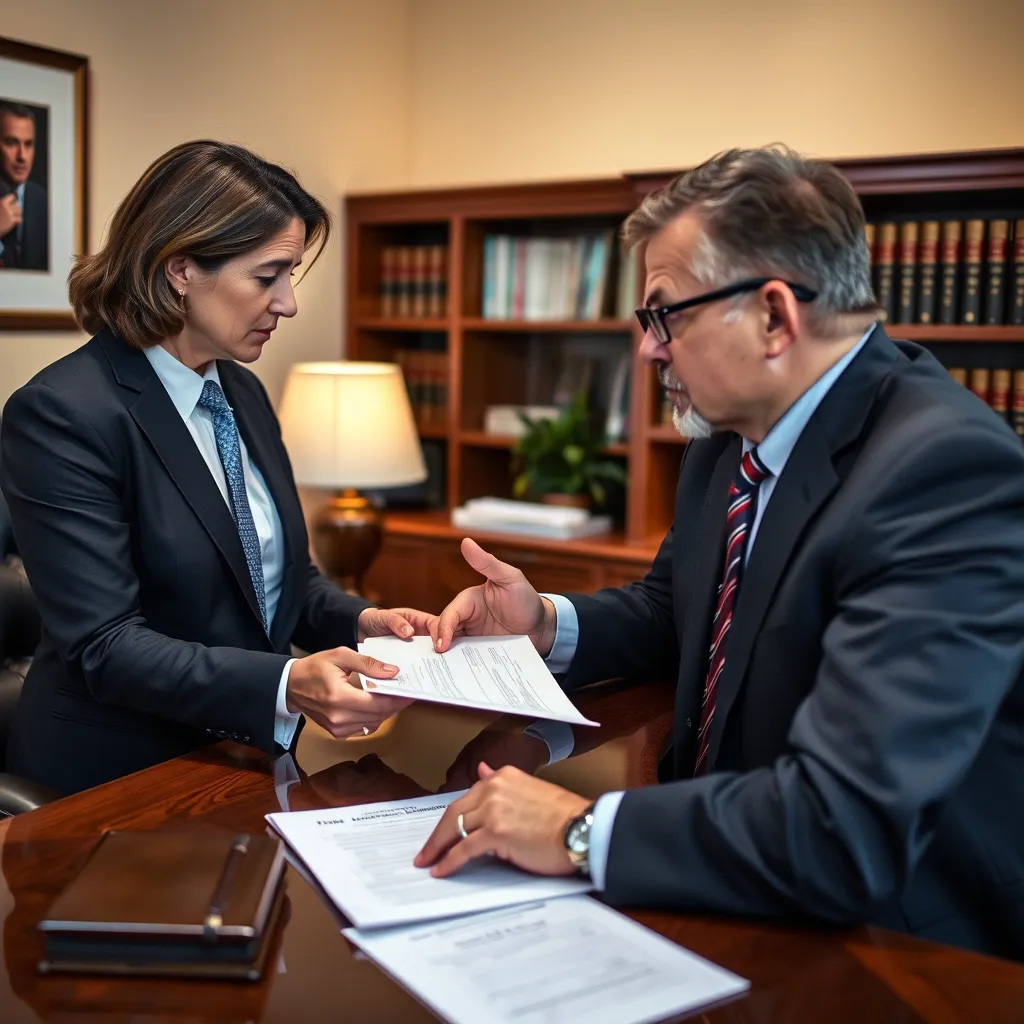
Legal representation helps address various aspects of dissolution. Attorneys assist with document preparation, court appearances, and negotiations. They work to protect client interests while following procedural requirements.
Professional guidance provides understanding of legal options and potential outcomes. Attorneys explain rights and responsibilities under New Jersey law. They help develop strategies aligned with client goals and circumstances.
How to Handle Divorce Proceedings
Divorce proceedings follow established legal pathways in New Jersey. The process typically begins with filing a complaint for divorce. This document outlines the grounds for dissolution and initial requests regarding marital matters.
After filing, proper service of documents is required. The other party must receive official notice of the proceedings. This step ensures all parties have opportunity to respond and participate in the case.
Court proceedings may involve various stages. These can include temporary hearings, discovery processes, and settlement discussions. Each stage has specific purposes and requirements under court rules.
Final resolution occurs through court order. This may result from settlement agreement or court decision after hearing. The order establishes legal terms for property division, support, and custody matters.
Can I Address Legal Separation Matters
Legal separation provides formal structure for couples living apart. Unlike informal arrangements, legal separation involves court-approved agreements. These agreements establish terms for various aspects of the relationship.
Separation agreements typically address financial matters. This includes support arrangements, division of expenses, and property use. The agreements provide clarity and legal enforceability for these arrangements.
Parenting matters receive specific attention in separation agreements. These establish custody arrangements, visitation schedules, and decision-making responsibilities. The agreements help maintain stability for children during separation.
Legal separation can serve various purposes for couples. Some choose separation for personal or religious reasons. Others use it as a transitional step while considering future options.
Why Hire Legal Help for Marriage Dissolution
Legal representation offers understanding of dissolution procedures. Attorneys explain the process, requirements, and potential outcomes. This knowledge helps clients make informed decisions about their situation.
Professional assistance helps manage documentation requirements. Attorneys prepare and file necessary court documents properly. They ensure compliance with filing deadlines and procedural rules.
Court representation provides advocacy during proceedings. Attorneys present arguments, examine evidence, and cross-examine witnesses when needed. They work to advance client positions effectively before the court.
Negotiation support helps reach agreements when possible. Attorneys facilitate discussions about settlement terms. They work to develop arrangements that address client needs while following legal guidelines.
FAQ:
What is the difference between divorce and legal separation?
Divorce ends the marriage permanently. Legal separation maintains marital status while establishing formal arrangements for living apart and other matters.
How long does marriage dissolution take in New Jersey?
The timeline varies based on case specifics. Uncontested cases may resolve faster than those requiring court hearings on disputed matters.
What factors affect property division?
Courts consider various factors including marriage duration, contributions, and economic circumstances. Each situation receives individual assessment.
Can I modify support arrangements later?
Modification may be possible with significant changed circumstances. Court approval is required for any changes to established orders.
What happens if we agree on everything?
Agreements can be submitted for court approval. This often streamlines the process when both parties reach mutual understanding.
How are parenting plans established?
Plans address custody, visitation, and decision-making. Courts focus on children’s best interests when reviewing arrangements.
What documentation is needed for dissolution?
Required documents include financial statements, asset lists, and income verification. Proper documentation supports requests and agreements.
Can I represent myself in dissolution proceedings?
Self-representation is permitted but involves understanding involved procedures. Many choose professional assistance for guidance.
What are grounds for dissolution in New Jersey?
Grounds include irreconcilable differences and specific circumstances like separation. Legal requirements must be met for dissolution.
How are temporary arrangements handled?
Temporary orders address immediate needs during proceedings. These can cover support, living arrangements, and parenting matters.
What happens if one party doesn’t cooperate?
Courts have procedures for uncooperative situations. Legal guidance helps address challenges that arise during proceedings.
Are mediation services available?
Mediation provides alternative dispute resolution options. This approach can help parties reach agreements without full court proceedings.
Past results do not predict future outcomes