
Note: This article is confirmed by Law Offices Of SRIS, P.C.
AUTHOR BIO:WRITTEN BY
Since 1997, Mr. Sris has led the firm, focusing on the most challenging criminal and family law cases. His background in accounting and information management aids in financial and technology-related cases. Involved in significant legislative changes in Virginia. My focus since founding the firm in 1997 has always been directed towards personally handling the most challenging and involved criminal and family law matters our clients face.
Dissolution of Marriage Lawyer Woodbridge NJ
What is Marriage Dissolution
Marriage dissolution represents the formal legal ending of a marital relationship. This process differs from informal separation as it requires court involvement. The procedure begins with filing a petition in the appropriate jurisdiction. Documentation must meet specific legal standards. Courts review the paperwork to ensure compliance with state laws.
The legal steps involve several stages. Initial filing starts the process. Service of documents follows, notifying the other party. Response periods allow for legal answers. Discovery procedures gather necessary information. Negotiation sessions may occur to reach agreements. Court hearings address unresolved matters. Final judgment concludes the process.
Legal strategies consider multiple factors. Property division requires careful evaluation. Support calculations follow established guidelines. Parenting plans address child-related matters. Each element demands attention to detail. Professional assistance helps address these components properly.
Professional insight emphasizes preparation. Documentation must be complete and accurate. Understanding court expectations improves outcomes. Legal representation provides guidance through procedural requirements. Experience with local courts offers advantages in handling cases effectively.
How to Handle Divorce Proceedings
Divorce proceedings follow established legal pathways. The initial step involves preparing and filing the petition. This document outlines the grounds for dissolution and requests specific relief. Proper filing requires accurate information and correct court jurisdiction. Service of process ensures the other party receives notice.
The response period allows for legal answers. Parties may agree or contest various aspects. Discovery procedures gather financial information and other relevant data. This phase helps establish facts for negotiations or trial. Documentation must be thorough and organized.
Negotiation sessions attempt to resolve differences. Mediation may facilitate agreements on contested matters. Settlement discussions address property, support, and parenting issues. When agreements cannot be reached, court hearings determine outcomes. Trial procedures follow established rules of evidence.
Final judgment concludes the proceedings. This document outlines all decisions and orders. Post-judgment matters may require additional attention. Modifications or enforcement actions could become necessary. Understanding the complete process helps manage expectations.
Can I Manage Legal Separation Issues
Legal separation provides a structured arrangement for couples choosing to live apart. This option addresses practical matters without ending the marriage. Separation agreements outline financial responsibilities, living arrangements, and parenting schedules. These documents have legal standing when properly executed.
The process begins with discussing separation terms. Parties identify areas needing agreement. Financial matters include support calculations and expense sharing. Property use and division may require temporary arrangements. Parenting plans establish schedules and decision-making processes.
Documentation formalizes the agreements. Legal review ensures proper language and compliance. Court approval may be necessary for certain provisions. Enforcement mechanisms address potential violations. Regular reviews allow for adjustments as circumstances change.
Professional insight emphasizes careful drafting. Agreements should address potential future scenarios. Clear language prevents misunderstandings. Legal validity requires proper execution. Experience with separation matters helps create effective arrangements that serve both parties’ needs.
Why Hire Legal Help for Marriage Dissolution
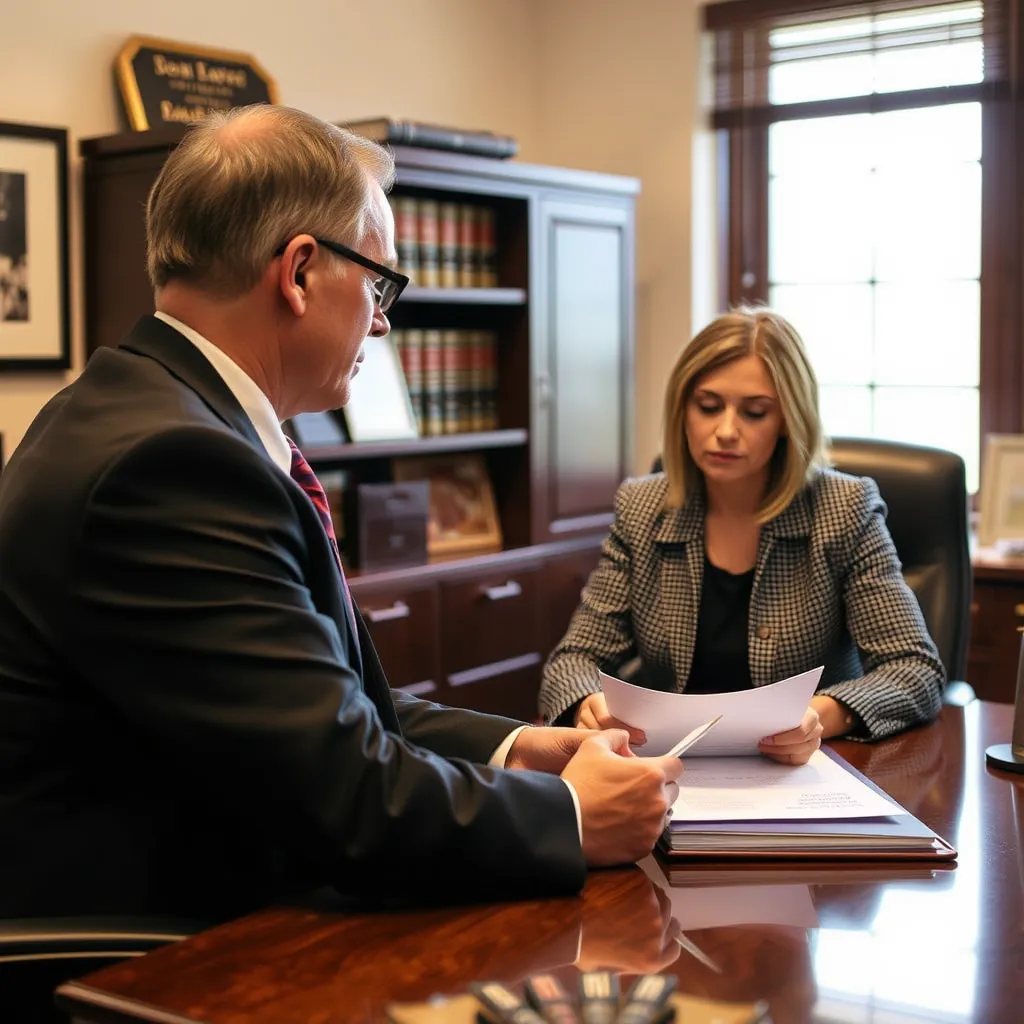
Legal representation offers multiple benefits during marriage dissolution. Professionals understand court procedures and requirements. This knowledge helps avoid procedural errors that could delay the process. Experience with local courts provides insight into judicial preferences and practices.
Documentation preparation requires legal knowledge. Forms must be completed accurately and completely. Missing information or errors can cause rejections or delays. Legal professionals ensure paperwork meets all requirements. Proper filing follows court protocols and deadlines.
Negotiation assistance helps achieve fair outcomes. Legal representatives understand settlement strategies and valuation methods. They can advocate for your interests during discussions. When agreements cannot be reached, they prepare for court proceedings. Trial representation presents your case effectively.
Professional insight emphasizes strategic planning. Each case requires individual assessment and approach. Legal guidance helps handle emotional challenges while focusing on practical outcomes. Support throughout the process reduces stress and uncertainty. The right assistance makes a significant difference in managing this life transition.
FAQ:
What documents are needed for marriage dissolution?
Required documents include marriage certificate, financial statements, and petition forms. Additional paperwork depends on your specific situation.
How long does the process typically take?
The timeline varies based on case challenge and court schedules. Some matters resolve quickly while others take several months.
What factors affect property division?
Courts consider marriage duration, contributions, and asset origins. Each situation receives individual evaluation.
Can we use mediation instead of court?
Mediation offers an alternative approach for reaching agreements. This option can reduce conflict and costs.
What happens if we disagree on parenting arrangements?
Courts make decisions based on child welfare considerations. Parenting plans address schedules and decision-making.
How is support calculated?
Support calculations follow established guidelines and formulas. Income, expenses, and other factors determine amounts.
What if my spouse lives in another state?
Jurisdictional rules determine where to file. Legal requirements address interstate matters specifically.
Can agreements be modified later?
Modifications may be possible with changed circumstances. Court approval is required for legal changes.
What are the costs involved?
Costs include court fees and legal expenses. Each case has different financial requirements.
How do I start the process?
Begin by consulting with legal professionals. They can explain options and required steps.
What if we reconcile during the process?
Proceedings can be paused or dismissed. Legal guidance helps manage this situation properly.
Are there alternatives to court dissolution?
Collaborative approaches and mediation offer alternatives. These options focus on agreement rather than litigation.
Past results do not predict future outcomes